
What Are the Fundamental Differences Between a Furnace and a Heat Pump?
Understanding the core mechanical difference is the first step in deciding which system is right for your home. While both furnaces and heat pumps provide warmth, they achieve this goal in fundamentally opposite ways. This distinction impacts everything from energy consumption to comfort levels.
How Does a Furnace Generate Heat?

A furnace is a champion of heat generation. It creates warmth by burning a fuel source.
- Combustion: Most common residential furnaces in Texas use natural gas, though some use propane or oil.
- Fuel to Heat: They ignite the fuel in a combustion chamber, and the resulting hot gas is used to heat a metal heat exchanger.
- Distribution: A blower motor then pushes air across the hot heat exchanger and circulates that warmed air through your home’s ductwork.
- Efficiency: Furnace efficiency is measured by the Annual Fuel Utilization Efficiency (AFUE), which indicates the percentage of fuel converted into usable heat (modern units can reach 90% AFUE or higher).
This process is straightforward and delivers a powerful, intense blast of hot air, which is highly effective in extremely cold climates.
How Does a Heat Pump Provide Year-Round Comfort?
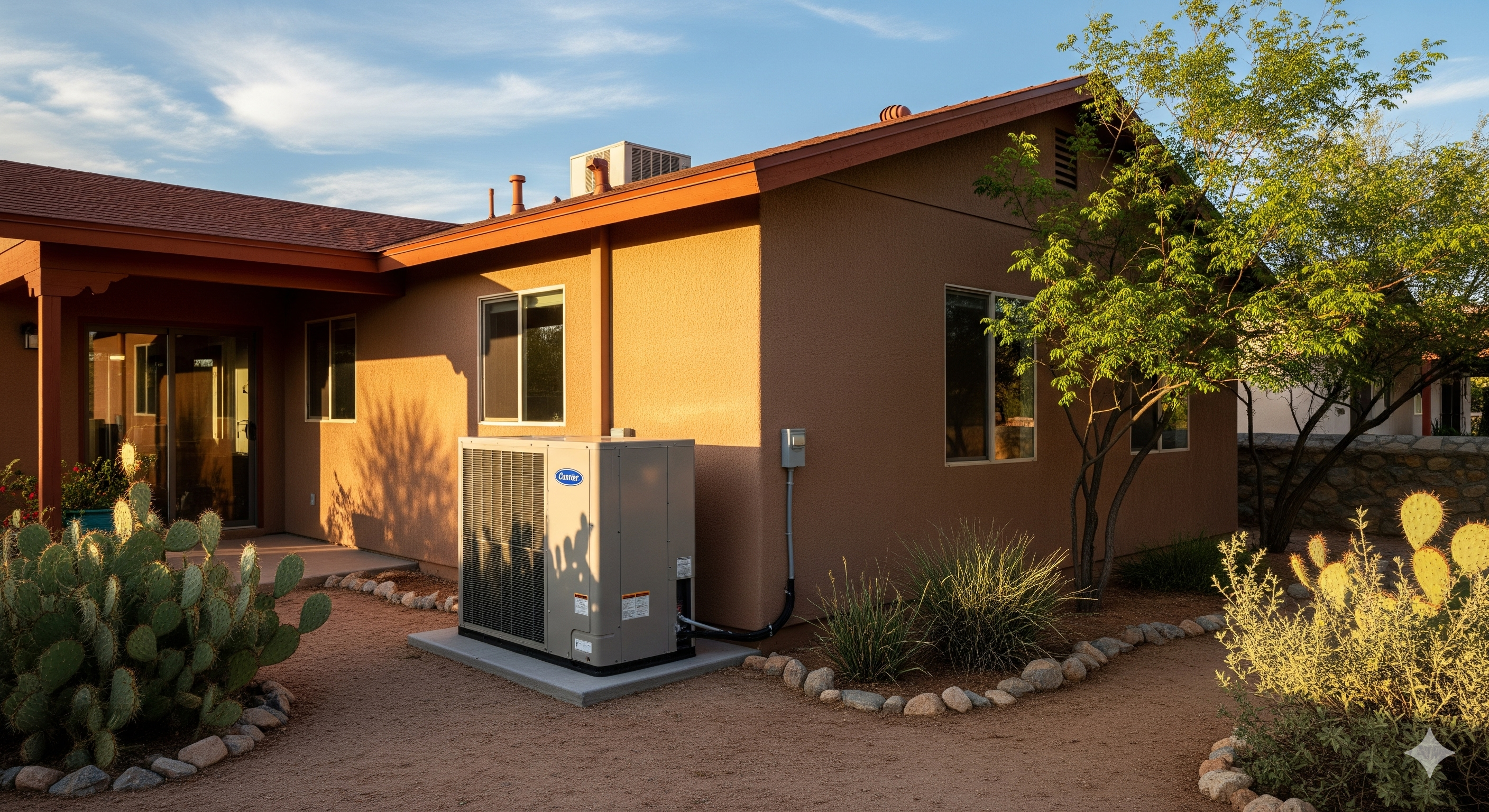
A heat pump is a master of heat transfer. It moves existing heat from one place to another rather than burning fuel to create it.
- The Transfer Mechanism: Think of a heat pump as an air conditioner that can run in reverse. It uses refrigerant and a compressor to absorb heat from the outdoor air, even when it’s cold outside, and transfers that heat indoors.
- Dual Functionality: In the summer, the process reverses: the heat pump pulls heat out of your home and expels it outside, effectively cooling the space.
- Efficiency: Heat pump efficiency is measured by the Heating Seasonal Performance Factor (HSPF) for heating and the Seasonal Energy Efficiency Ratio (SEER) for cooling.
- Effectiveness: Because it moves up to two to four units of heat for every unit of electricity it consumes, a heat pump can be significantly more energy efficient than even a high-efficiency furnace.
This dual functionality makes the heat pump an ideal single-unit solution for the unique year-round comfort needs of El Paso.
Which System Is Better Suited for the El Paso, Texas Climate?
The climate in El Paso is the most critical factor in determining the ideal heating system. Our Southwest climate is characterized by long, hot summers and relatively mild winters with occasional, unpredictable cold snaps. The perfect system must be effective for both extremes.
Why Do Heat Pumps Excel During El Paso’s Mild Winters?
The typical El Paso winter weather is the “sweet spot” for heat pump technology.
- Mild Temperatures: Average daily lows rarely drop below freezing for extended periods. Most winter days are between 35°F and 60°F.
- High Efficiency: Heat pumps operate at their peak efficiency in this temperature range, providing ample warmth while consuming minimal electricity.
- Cost Savings: Over the entire heating season, the exceptional efficiency of the heat pump often translates into lower overall energy bills compared to a gas furnace.
- Modern Capabilities: Newer, cold-climate heat pumps maintain high efficiency even when temperatures briefly dip into the teens or twenties, which is more than enough for El Paso’s infrequent extreme cold.
For the majority of the year, the heat pump is the most efficient and versatile choice.
Looking for a heat pump installation? Get in touch with One Way Heating & Cooling in El Paso
How Do Furnaces Provide an Advantage During Cold Snaps?
While a heat pump handles typical winter weather beautifully, a furnace offers an unbeatable advantage when the rare, deep cold fronts hit the area.
- Superior Heat Output: Furnaces generate heat directly, meaning they deliver a powerful, high-temperature blast of air that warms a home very quickly.
- Consistency: Unlike heat pumps, which see a reduction in efficiency as temperatures drop below their balance point (usually 35-40°F for traditional models), a gas furnace maintains consistent, robust heating capacity regardless of the outdoor temperature.
- Comfort Preference: Some homeowners simply prefer the feeling of rapid, intense heat that only a furnace can provide during a frigid morning.
For homes that prioritize maximum heat on the coldest days, a furnace or a hybrid system offers unparalleled dependability.
What Are the True Cost Differences Between Installation and Operation?
The cost comparison between these two systems involves more than just the initial price tag. Homeowners must consider installation costs, long-term operating costs, and available incentives.
Which System Has the Higher Upfront Installation Cost?
The initial investment for a heat pump system is typically higher than for a furnace alone.
- Heat Pump: Installation costs for a heat pump can be greater because you are essentially installing a single unit that performs two functions (heating and cooling). The electrical requirements may also necessitate panel upgrades in older homes.
- Furnace: A new gas furnace usually has a lower installation cost, especially if the home already has existing gas lines and ductwork. However, remember that a furnace requires a separate central air conditioning unit for summer cooling, which significantly increases the total equipment cost for year-round comfort.
- The Bottom Line: When replacing both an old furnace and an old AC unit, a heat pump often becomes the more cost-effective single-unit choice.
How Do Operating Costs and Incentives Affect the Total Value?
Operating costs determine your long-term savings, and the efficiency difference between the two systems is pronounced.
- Heat Pump Operating Costs: These systems are exceptionally energy-efficient (often 200%–400% efficient). This translates into lower monthly energy bills throughout the mild heating season and the long, hot cooling season.
- Furnace Operating Costs: While natural gas is often affordable in Texas, a furnace is less energy efficient than a heat pump. For every dollar spent, a portion of the heat is lost through combustion.
- Incentives: Heat pumps are increasingly favored by government and utility programs due to their energy efficiency and lower environmental impact. Homeowners can take advantage of significant federal tax credits, such as those offered by the Inflation Reduction Act, to help offset the initial installation cost.
Due to the El Paso climate’s long cooling season and relatively mild heating needs, the dual-function, high-efficiency nature of a heat pump usually results in lower total annual energy expenditures compared to running separate furnace and AC units.
What is a Dual Fuel or Hybrid System and Why is it Ideal for El Paso?
If you struggle to choose between the high-efficiency of a heat pump and the powerful heat of a gas furnace, the answer might be a combination of both.
How Does a Hybrid System Work?
A dual fuel, or hybrid, system combines the best features of both technologies.
- Components: It features a high-efficiency heat pump for most of the year, paired with a high-efficiency gas furnace as the backup heat source.
- Intelligent Operation: The system uses an intelligent thermostat to monitor the outdoor temperature and automatically switch between the heat pump and the furnace.
- The Balance Point: It defaults to the ultra-efficient heat pump until the outdoor temperature drops to a pre-determined balance point (e.g., 30°F or 35°F), where the heat pump’s efficiency begins to decline. At that point, the system switches to the powerful gas furnace for maximum, consistent heat.
Who is the Hybrid System Best For?
The dual fuel system is often considered the optimal solution for El Paso homes that have existing natural gas lines.
- Maximized Efficiency: You gain the immense energy savings of the heat pump during the majority of the heating season.
- Guaranteed Comfort: You maintain the peace of mind that the powerful gas furnace will kick in for guaranteed warmth during the rare but severe cold snaps.
- Flexibility: It offers the homeowner the flexibility to choose the most cost-effective heating source depending on the fluctuating costs of electricity versus natural gas.
For El Paso residents who demand both cutting-edge efficiency and absolute comfort during cold weather events, the dual fuel system is an investment that provides the best of both worlds.
How Does Maintenance and Lifespan Compare Between the Two Systems?
When making a long-term investment in home comfort, it’s essential to consider the expected lifespan and required maintenance of each system.
Which System Requires More Frequent Maintenance?
Both systems require annual professional maintenance for peak performance and longevity. However, a heat pump operates year-round, which affects its service schedule.
- Heat Pump: Because a heat pump provides both heating in winter and cooling in summer, the system runs for significantly more hours each year than a standalone furnace. This increased usage means it may benefit from a check-up in both the spring (for cooling prep) and the fall (for heating prep).
- Furnace/AC Combo: A furnace typically requires an annual check-up in the fall. The separate central AC unit will require its own maintenance in the spring. While they are separate units, the total maintenance requirement is comparable to that of a single heat pump unit.
Trusted local companies, like Oneway Heating & Cooling, offer comprehensive maintenance plans that simplify service for either type of system, ensuring your unit is always running at peak efficiency.
What is the Expected Lifespan of a Furnace vs. a Heat Pump?
The lifespan of any HVAC unit is highly dependent on regular, professional maintenance.
- Furnace: A well-maintained gas furnace generally has a lifespan of 15 to 20 years, sometimes longer. Because it only runs during the heating season, its components experience less cumulative wear and tear than a year-round unit.
- Heat Pump: A heat pump typically has a lifespan of 10 to 15 years for the outdoor unit, which houses the compressor. The indoor air handler may last longer. The shorter lifespan is generally attributed to the fact that the primary mechanism (the compressor) runs continuously throughout both the heating and cooling seasons.
Ultimately, while the furnace may last longer, the heat pump provides dual functionality in a single unit, and its long-term energy savings often offset the cost of replacement.
Which System Should El Paso Homeowners Choose for the Best Value?
Deciding between a furnace and a heat pump comes down to prioritizing your budget, your comfort preferences, and your long-term energy goals within the context of El Paso’s unique climate.
- Choose a Heat Pump if:
- Efficiency is your top priority. You want the lowest possible annual energy bills for both heating and cooling.
- You are replacing both an old furnace and an old AC unit and want a simplified, single-system solution.
- You prefer gentle, consistent heat over an intense blast of hot air.
- You want to reduce your carbon footprint and take advantage of federal tax incentives.
- Choose a Furnace (with AC) if:
- Upfront cost is your primary concern and you already have existing, reliable gas lines.
- You highly prioritize maximum heat output and the feeling of quick, intense warmth on the coldest nights.
- You are only replacing an old heater but keeping a relatively new and efficient AC unit.
- Choose a Dual Fuel/Hybrid System if:
- You want the absolute best of both worlds—the efficiency of a heat pump for mild days and the guaranteed power of a gas furnace for extreme cold.
- You are willing to pay a higher upfront cost for optimized year-round performance and lower long-term operating costs.
For most El Paso homeowners, the dual functionality and year-round efficiency of a heat pump, or the seamless compromise of a dual fuel system, offer the best value for managing the area’s climate challenges. As your trusted local HVAC professionals, we at Oneway Heating & Cooling can perform a detailed load calculation based on your home’s specific needs to recommend the ideal system.
FAQ Section: Furnace and Heat Pump Decisions
Are heat pumps effective enough to handle El Paso’s coldest temperatures?
Yes, modern heat pumps are highly effective in El Paso’s climate. Traditional heat pumps remain efficient down to about 35-40°F, which covers the majority of our winter days. However, today’s advanced cold-climate heat pumps are engineered to operate efficiently even when temperatures dip into the teens or single digits, which is more than sufficient for El Paso’s rare cold snaps. For absolute peace of mind during extreme cold, a dual fuel system (heat pump with a gas furnace backup) is the best solution, guaranteeing consistent warmth regardless of the outdoor temperature.
Does a heat pump require different ductwork than a furnace?
No, generally both furnaces and ducted heat pump systems utilize the same existing ductwork in a home. Since both rely on forced air to distribute conditioned air, they are designed to connect to and use the standard residential duct system. However, for a heat pump to operate efficiently and correctly, your ductwork must be properly sized, sealed, and maintained. A professional installation team, like Oneway Heating & Cooling, will inspect your existing ducts during the installation process to ensure proper airflow and system performance.
Can I install a heat pump if my home doesn’t have a gas line?
Absolutely. One of the main benefits of a heat pump is that it is an all-electric system, meaning it requires no natural gas connection or combustion. This makes it an ideal choice for homes that lack existing gas service, use expensive propane or oil, or are aiming to reduce their reliance on fossil fuels. In this scenario, replacing an old electric furnace or baseboard heating with a high-efficiency heat pump can lead to the most substantial reductions in annual energy costs.
Which system is more environmentally friendly?
The heat pump is significantly more environmentally friendly than a gas furnace. A gas furnace generates heat by burning fossil fuel, releasing carbon dioxide and other emissions directly into the atmosphere. A heat pump, however, simply moves heat using electricity. Because it is highly efficient (moving 200%-400% more heat energy than it consumes electrically) and can be powered entirely by renewable energy sources (like solar panels), it has a much smaller carbon footprint. This makes the heat pump the clear choice for environmentally conscious El Paso homeowners.
What is the lifespan difference, and how does that affect my investment?
A well-maintained gas furnace typically lasts 15–20 years, while a heat pump’s outdoor unit generally lasts 10–15 years due to year-round operation for both heating and cooling. While the furnace has a longer potential lifespan, the investment in a heat pump often proves to be the better value due to its significantly lower annual operating costs. The energy savings realized over the heat pump’s life often outweigh the cost difference of replacing the unit a few years sooner than a furnace.