
AC Running But Not Cooling In El Paso Heat: Causes & Fixes
March 08, 2026 By: One Way Heating & Cooling
In El Paso, a functioning air conditioner is a necessity for survival. When the Texas sun is beating down and temperatures climb past 100°F, the last thing you want to hear is your AC humming along while your living room feels like an oven. If your air conditioner is running but the air coming out of the vents isn't cold, you aren't alone. This is one of the most common calls we receive at One Way Heating and Cooling.
Understanding why your system is struggling is the first step toward getting your home back to a comfortable temperature. In this guide, we’ll break down the common culprits behind an AC that "runs but doesn't cool," ranging from simple DIY fixes to complex mechanical issues that require a professional touch.
Key Takeaways
Airflow is King: Most cooling issues start with restricted airflow, often caused by dirty filters or blocked vents.
The "Ice" Paradox: Your AC can actually freeze up in 100-degree weather if it can't "breathe" properly.
Check the Basics: Always verify your thermostat settings before calling for a repair.
Maintenance Saves Money: Annual tune-ups prevent the most expensive failures, like compressor burnouts.
Safety First: Refrigerant leaks and electrical issues should only be handled by licensed professionals.
Is your home heating up instead of cooling down? Don't risk a total system burnout by letting a struggling AC run all day. Contact One Way Heating and Cooling today, and we’ll get your cool air back before the sun sets!
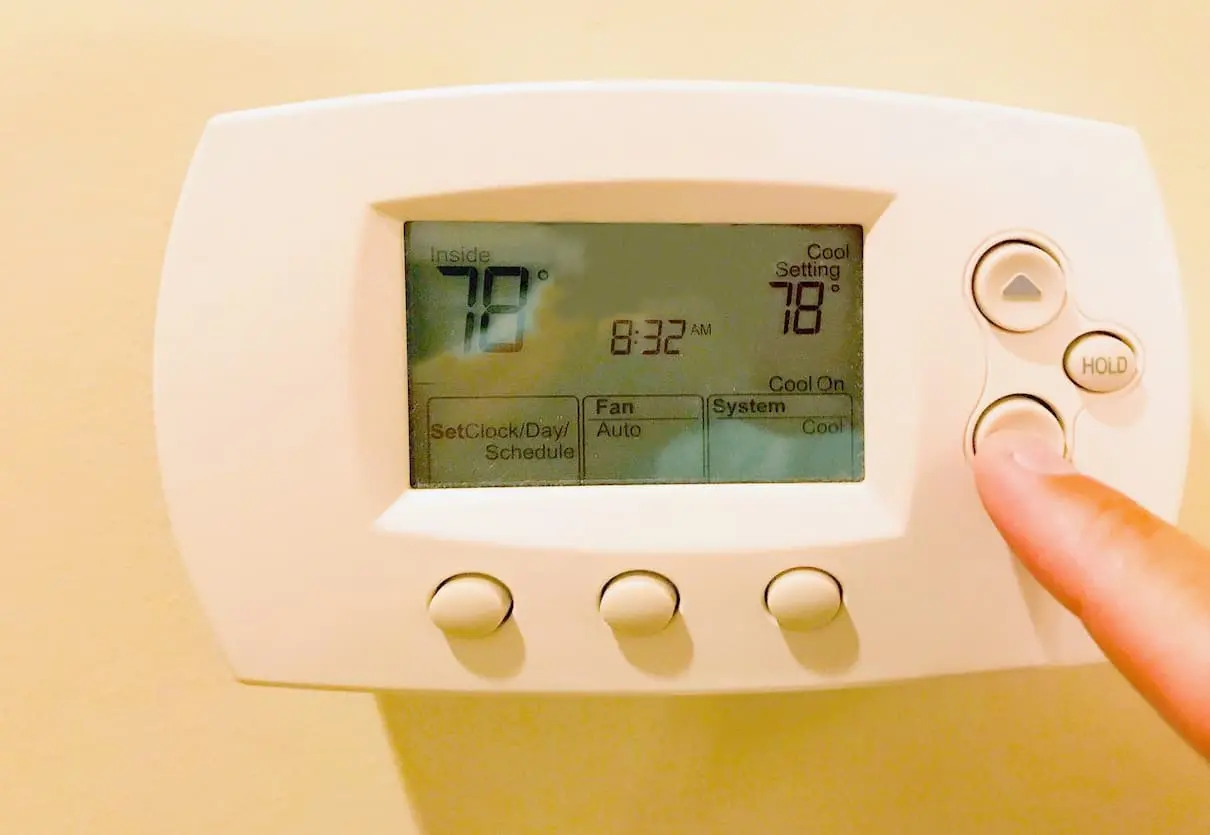
Is your thermostat set correctly for the El Paso heat?
It might seem overly simple, but the thermostat is the "brain" of your cooling system. If the brain is confused, the body won't work. Sometimes, a family member might have bumped the settings, or a power flicker could have reset the programming.
"On" vs. "Auto": Check if your fan is set to "On" instead of "Auto." When set to "On," the fan blows air constantly, even when the AC isn't actually cooling. This results in warm air circulating through your home during the periods between cooling cycles.
Mode Check: Ensure the system is actually set to "Cool." In the shoulder seasons of spring and fall, El Pasoans often switch between heat and cool. Make sure it didn't stay on the wrong setting.
Temperature Differential: On days when it is 105°F outside, most AC units can only maintain a 20-degree difference from the outdoor air. If your thermostat is set to 68°F during a record heatwave, the unit will run non-stop but may struggle to reach that target.
When was the last time you changed your air filter?
In El Paso, our air is notoriously dusty. Between spring windstorms and desert sand, your air filter works much harder than a filter in other parts of the country. A clogged filter is the #1 reason an AC runs without cooling.
When the filter is caked in dust:
Airflow is restricted: The system can't pull enough warm air in to be cooled.
The coil freezes: Without warm air passing over it, the evaporator coil gets too cold and turns into a block of ice.
The system strains: Your blower motor has to work twice as hard to pull air through the "wall" of dust, leading to a premature burnout.
We recommend checking your filter every 30 days during the peak of summer. If you can’t see light through it, it needs to be replaced.
Are your indoor or outdoor coils dirty or blocked?
Your AC works by moving heat from inside to outside. This happens through two sets of coils: the evaporator coil (inside) and the condenser coil (outside). If these coils are dirty, the heat transfer process stops.
The Outdoor Unit: Your outdoor condenser needs at least two feet of clear space around it. If it is surrounded by weeds, desert shrubs, or covered in a layer of El Paso grime, it can't "dump" the heat it gathered from your home.
The Indoor Coil: If dust gets past your filter, it settles on the evaporator coil. This creates an insulating layer that prevents the refrigerant from absorbing heat from your indoor air.
If you suspect your coils are dirty, a professional cleaning from One Way Heating and Cooling can instantly restore your system's efficiency.
Could a refrigerant leak be the culprit?
Refrigerant is the lifeblood of your AC. Contrary to popular belief, an AC does not "use up" refrigerant like a car uses gas. It circulates in a closed loop. If your system is low on refrigerant, you have a leak.
Signs of a refrigerant leak include:
Hissing or bubbling noises near the AC unit.
Ice forming on the copper refrigerant lines or the indoor coil.
Air that feels lukewarm even though the system has been running for hours.
Handling refrigerants requires specialized tools and EPA certification. If you suspect a leak, do not attempt to "top it off" yourself. It is illegal and dangerous. Our technicians can find the leak, seal it, and recharge your system to factory specifications.
Is your outdoor unit losing power or failing?
Sometimes the indoor fan is blowing, but the outdoor compressor isn't running at all. This means your system is effectively just a very expensive window fan.
Common causes for outdoor unit failure include:
Tripped Breakers: High heat causes systems to draw more power, which can trip a circuit breaker.
Bad Capacitors: These are like small batteries that give the motor the "kick" it needs to start. They often fail during El Paso heatwaves.
Contactor Issues: This is the switch that tells the outdoor unit to turn on. Pests or ants (common in the Southwest) can sometimes get stuck in these switches, preventing them from closing.
Does your ductwork have leaks or disconnections?
You might have a perfectly functioning AC unit, but if the cool air is leaking into your attic or crawlspace before it reaches your bedroom, you'll never feel the benefit.
In older El Paso homes, ductwork can deteriorate over time. Seals dry out in the desert heat, or pests can chew through the material. If you notice that one room is ice cold while another is sweltering, your ducts likely need an inspection and sealing.
Why does professional maintenance matter in El Paso?
The "borderland" environment is harsh on mechanical equipment. Regular maintenance isn't just a suggestion, it’s like an insurance policy for your comfort.
At One Way Heating and Cooling, our maintenance visits include:
Cleaning the Coils: Removing the dust and debris that prevents heat transfer.
Electrical Audit: Checking capacitors and contactors before they fail on a 100-degree Sunday.
Refrigerant Check: Ensuring your levels are optimal for maximum cooling.
Airflow Optimization: Checking the blower motor and clearing the condensate drain line to prevent water damage.
Conclusion
An AC that runs but doesn't cool is more than an inconvenience, it can lead to skyrocketing energy bills and eventually a total system collapse. Whether it’s a simple filter change or a complex compressor issue, diagnosing the problem early is key to saving money and staying cool.
If you’ve checked your thermostat and your filter and you’re still sweating, it’s time to call in the experts. One Way Heating and Cooling has been serving the El Paso community since 2010, and our technicians have over 40 years of combined experience. We know exactly what the desert heat does to HVAC systems, and we have the tools to fix it right the first time.
Contact One Way Heating and Cooling today at (915) 525-5737 or visit our website to schedule your professional AC diagnostic. Don't let the El Paso heat get the best of your home, let us get your cool back fast!
Frequently Asked Questions (FAQ)
Q: My AC is running but the air isn't cold. Can I just add more Freon?
A: No. Refrigerant (often called Freon) is not a fuel. If your system is low, there is a leak that must be repaired. Adding more without fixing the leak is a temporary fix that wastes money and harms the environment.
Q: Why is there ice on my AC unit when it’s 100 degrees outside?
A: This usually happens because of restricted airflow (a dirty filter) or low refrigerant. When the system can't absorb enough heat, the temperature of the coil drops below freezing, causing moisture in the air to turn into ice.
Q: How often should I change my air filter in El Paso?
A: During the summer months, we recommend checking your filter every 30 days. The high dust levels in our region can clog a filter much faster than the 90-day window often suggested on the packaging.
Q: Can a dirty outdoor unit really stop my house from getting cool?
A: Absolutely. If the metal fins on your outdoor condenser are covered in dirt or blocked by bushes, the heat trapped in the refrigerant has nowhere to go. The heat stays in the system, and your AC will blow lukewarm air.
Q: Is it worth repairing an AC unit that is 15 years old?
A: It depends on the repair. If it’s a simple capacitor, a repair makes sense. However, if the compressor has failed or there are major refrigerant leaks, the cost of repair might be better put toward a new, high-efficiency system.