
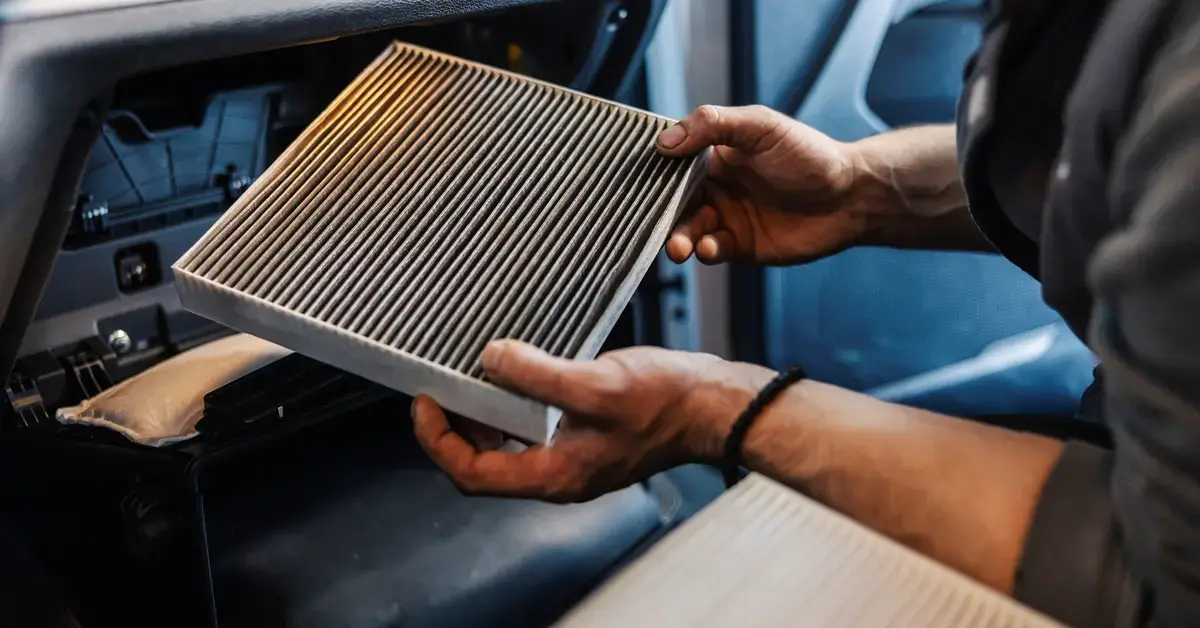
Comparing the Best Air Filtration Technologies
October 24, 2025 By: One Way Heating & Cooling
Indoor air quality is no longer a luxury concern—it’s essential to protecting your health and comfort. With more time spent indoors than ever before, homeowners are paying closer attention to what’s in the air they breathe. Dust, allergens, pet dander, mold spores, smoke, and even microscopic pollutants like volatile organic compounds (VOCs) are common culprits of poor indoor air quality.
Fortunately, modern air filtration systems offer powerful solutions. But with so many types of filtration technologies available, making the right choice can be overwhelming. From HEPA filters and UV-C light purifiers to carbon filters and ionic air purifiers, each technology has a specific role—and choosing the wrong one could mean you’re not solving the air quality issues that actually affect your home.
This guide from One Way Heating and Cooling breaks down today’s most effective air filtration technologies. You’ll learn how each one works, their benefits and limitations, and which types of homes or concerns they’re best suited for. Whether you’re struggling with allergies, trying to eliminate odors, or simply want cleaner air, this comparison will help you make an informed decision—and breathe easier in the process.
Why Clean Indoor Air Matters
Indoor air pollution is often two to five times worse than outdoor pollution, according to the EPA. Common indoor air contaminants include dust mites, pet dander, pollen, mold spores, cooking smoke, household cleaning chemicals, and even emissions from furniture and paint. Long-term exposure to these pollutants can aggravate respiratory issues, trigger allergies, and impact your sleep, mood, and overall wellness.
Investing in a high-quality air filtration system is one of the most effective ways to protect your health at home. However, not all filtration systems are created equal. Choosing the right system depends on the specific problems in your air and the layout and usage of your home.
HEPA Filtration: Industry Standard for Particle Removal
What Is HEPA Filtration?
HEPA, which stands for High Efficiency Particulate Air, is widely regarded as the most effective air filtration technology for capturing airborne particles. These filters are capable of removing 99.97 percent of particles as small as 0.3 microns, including common allergens such as pollen, dust mites, pet dander, and mold spores.
Why Homeowners Choose HEPA Filters
This makes HEPA filters an excellent choice for households with allergy sufferers, pets, or high foot traffic that kicks up dust and debris. You’ll often find HEPA filters used in hospitals, laboratories, and clean rooms due to their reliability and filtration precision.
Considerations for HEPA Systems
While HEPA filters are outstanding at removing particles, they don’t address odors, smoke, or chemical fumes. For this reason, they’re often paired with additional technologies to handle other types of airborne contaminants. It’s also important to consider that HEPA filters require regular replacement and can reduce airflow if improperly sized or maintained. Still, for overall particle control, they are hard to beat.
Activated Carbon Filters: Targeting Odors and Chemical Pollutants
How Activated Carbon Works
If your primary concern involves indoor odors, smoke, or airborne chemicals, activated carbon filtration is a strong contender. Unlike HEPA filters that trap physical particles, activated carbon works by adsorption—a process in which gases and chemical molecules stick to the surface of highly porous charcoal material.
Benefits of Carbon Filtration
These filters are particularly effective in absorbing VOCs, smoke from cooking or tobacco, pet smells, and off-gassing from furniture, carpets, or household cleaners. Activated carbon is a go-to technology for homes located near high-traffic roads, industrial zones, or wildfire-prone regions.
Limitations of Carbon Filters
On their own, carbon filters won’t trap dust or allergens effectively, so they’re often integrated into multi-stage systems alongside HEPA or other particle-trapping technologies. Activated carbon filters also need periodic replacement, as they become saturated over time and lose effectiveness.
UV-C Light Air Purifiers: Invisible Protection Against Microorganisms
How UV-C Technology Works
Ultraviolet light, particularly in the UV-C spectrum, offers a different kind of air purification by neutralizing biological contaminants. UV-C light damages the DNA and RNA of bacteria, viruses, and mold spores, effectively rendering them harmless and unable to reproduce.
When to Use UV-C Purification
UV-C air purifiers are not filters in the traditional sense—they don’t trap particles or gases—but they can be an excellent addition to a comprehensive filtration system. When installed inside your HVAC system or air handler, UV-C lights work silently in the background to continuously sterilize air as it passes through.
Benefits and Drawbacks
These systems are especially helpful in homes that struggle with mold, musty smells, or recurring illness. They are low maintenance, typically requiring only an annual bulb replacement. However, UV-C does not address dust, allergens, or odors, so it is always recommended to pair this technology with a mechanical filtration system.
Electrostatic Air Filters: Eco-Friendly and Reusable
How Electrostatic Filters Work
Electrostatic air filters work by using an electrical charge to attract and trap particles. As air flows through the filter, particles become charged and adhere to oppositely charged plates or media. This process is particularly effective for larger particles like dust, pollen, and some pet dander.
Advantages of Electrostatic Filtration
What makes electrostatic filters appealing to many homeowners is their reusability. Many models are washable, which reduces long-term maintenance costs and environmental impact. They’re also easy to install in standard HVAC systems.
Limitations to Be Aware Of
However, their performance on smaller airborne particles—like smoke, mold spores, or bacteria—is often limited. And if not cleaned regularly, they can lose their effectiveness and even impede airflow. Electrostatic filters are a good option for low-allergen environments or for those who want a budget-conscious filtration method without the need for frequent replacements.
Ionic Air Purifiers: Minimal Maintenance but Controversial
What Are Ionic Air Purifiers?
Ionic air purifiers release negatively charged ions into the air, which bind with airborne particles like dust and smoke. These bonded particles then fall to the ground or stick to nearby surfaces. Some units feature collection plates that capture the particles, while others rely on passive settling.
Benefits of Ionization Technology
The appeal of ionizers lies in their quiet operation and low maintenance—there are often no filters to replace.
Potential Health and Safety Concerns
However, one major drawback is that some ionic purifiers produce ozone as a byproduct, which can be harmful to respiratory health, particularly for those with asthma or other sensitivities. Additionally, because the particles are not captured in a filter, they may resettle onto surfaces like floors, furniture, or walls, requiring more frequent cleaning. For these reasons, ionic purifiers are best suited for limited use or in well-ventilated areas. Most homeowners find better value and peace of mind in other technologies that directly remove contaminants from the air.
The Smartest Air Quality Strategy: Layered Filtration
Why Combining Technologies Works Best
No single air filtration method handles all air quality issues. That’s why many advanced systems combine technologies for multi-stage filtration. A well-rounded air purifier or HVAC-integrated air filtration system might include a pre-filter for large debris, a HEPA filter for fine particles, an activated carbon stage for odors and chemicals, and a UV-C light to combat microorganisms.
Benefits of a Multi-Stage Approach
When you combine these technologies, you create a filtration system that handles a wide spectrum of pollutants—from dust and dander to VOCs and bacteria. This layered approach delivers the most complete indoor air protection available and is especially beneficial for homes with children, seniors, pets, or residents with chronic health conditions.
The Importance of Customization
Every home has unique needs based on square footage, location, climate, and lifestyle. That’s why professional consultation is key to identifying the right filtration system and integrating it properly into your home’s heating and cooling infrastructure.
Installation Matters: Why You Need a Professional HVAC Expert
Even the best air filtration technology won’t perform as expected if it’s improperly installed. That’s where working with an experienced HVAC team like One Way Heating and Cooling makes the difference.
Our technicians don’t just sell you a filter—we assess your home’s unique air quality profile, ductwork, HVAC system capacity, and lifestyle habits to recommend a solution that will actually work. We also ensure seamless integration with your heating and cooling systems so you don’t sacrifice airflow or efficiency in the pursuit of cleaner air.
From in-duct UV-C systems and whole-home HEPA filtration to smart thermostats that monitor air quality in real time, our team can design a solution tailored to your exact needs.
Elevate Your Home’s Air Quality with the Right System
Your air is only as clean as the system filtering it. Whether you’re trying to protect loved ones from allergens, combat odors from pets or cooking, or prevent the spread of airborne illness, investing in the right air filtration technology is one of the smartest choices you can make.
One Way Heating and Cooling is your trusted partner in creating a healthier indoor environment. With a range of solutions and expert guidance, we make it easy to take the guesswork out of air purification.
Improve your indoor air quality today with a professional air filtration system installation from One Way Heating and Cooling. Reach out to schedule your personalized consultation and take the first step toward cleaner, healthier air.