
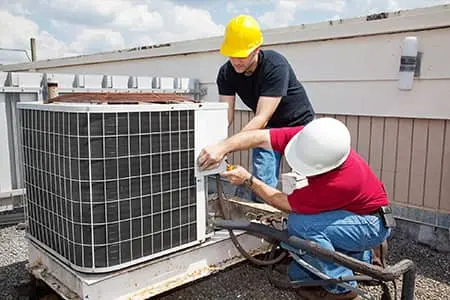
What is the Cost of a New HVAC System in El Paso?
December 07, 2025 By: One Way Heating & Cooling
TL;DR: The Real Cost of a New HVAC in El Paso
Replacing your HVAC system is a significant investment, but understanding the factors involved helps you budget effectively and avoid surprises.
Variables: Pricing is driven by unit size (tonnage), energy efficiency (SEER2 rating), and the complexity of the install.
Beyond the Box: Costs often include electrical upgrades, new refrigerant lines, and potential ductwork repairs to ensure the system runs efficiently.
ROI: Modern units can cut monthly utility bills by 30% or more, qualify for federal tax credits, and increase your home’s resale value.
Quality Matters: The cheapest quote often leads to higher costs later due to poor installation or lack of warranty support.
Don’t sweat the price tag, focus on the facts.
Contact One Way Heating and Cooling today for a transparent, detailed quote tailored specifically to your home’s needs!
Navigating the Investment: What Should I Expect to Pay for a New HVAC System?
We have all been there. The El Paso sun is beating down on the roof, the temperature inside starts creeping toward 80 degrees, and then you hear it, or rather, you don't hear it. Your HVAC system has finally decided to retire. After the initial panic subsides, the very first question on every homeowner’s mind is: "What is this going to cost me?"
Talking about HVAC pricing is often like trying to pin jelly to a wall. If you search online, you will find ranges that vary by thousands of dollars. It can be frustrating when you just want a straight answer. While we cannot give you a final number without seeing your home, we can peel back the curtain on the industry.
At One Way Heating and Cooling, we believe transparency is the foundation of a good relationship. Replacing your air conditioner and furnace is likely one of the largest investments you will make in your home. It isn't just about buying a "box" for your attic or backyard; it’s about purchasing twenty years of indoor comfort.
In this guide, we’ll break down the variables that drive prices up or down. We want to empower you with the facts so you can make a choice that fits your wallet and your lifestyle.
Why do HVAC prices vary so much between homes?
The price of an HVAC system is not a "one size fits all" scenario. Think of it like buying a vehicle. You can buy a standard truck that gets you from point A to point B, or you can buy a luxury SUV with every feature imaginable. Both are vehicles, but the engineering and comfort levels are drastically different.
The primary factors that create price variation include:
The Size (Tonnage): A 5-ton system requires more materials and refrigerant than a 2-ton system, making it more expensive.
Efficiency Ratings: High-efficiency systems use advanced compressors and components that cost more to produce but save you more on monthly bills.
System Type: Whether you are installing a traditional split system, a heat pump, or a packaged unit will change the base equipment cost.
The Configuration: Moving a system from a tight closet to the attic, or vice-versa, requires extensive labor that adds to the bottom line.
How does the size of my home impact the total cost?
Size matters immensely in the world of heating and cooling. However, "size" in HVAC terms refers to cooling capacity, measured in tons, not the physical weight of the machine. Generally, one ton of cooling capacity is needed for every 400 to 600 square feet of living space.
If you buy a system that is too small, it will run constantly, driving up your electric bill and burning itself out early. If you buy a system that is too big, it will "short cycle," turning on and off too rapidly. This prevents the system from properly dehumidifying your air, leaving your home feeling clammy.
When you work with a professional team like One Way Heating and Cooling, we perform a "Manual J" load calculation.
This looks at:
Total square footage.
The number of windows and their orientation to the sun.
Insulation levels in the walls and attic.
Local El Paso climate data.
Getting the size right ensures you don't overpay for capacity you don't need, or suffer with a system that can't keep up.
What is SEER2 and how does it affect the price?
You have likely seen the acronym SEER2 on stickers or in brochures. It stands for Seasonal Energy Efficiency Ratio 2. In simple terms, this is like the "miles per gallon" for your air conditioner. The higher the number, the more efficient the system.
As of 2023, federal regulations mandate higher minimum efficiency standards. While this is great for the environment and your utility bill, it does mean the baseline cost for equipment has risen.
Entry-Level (13.4 - 15 SEER2): These systems are the most affordable upfront. They are reliable but won't offer the lowest monthly operating costs.
Mid-Range (16 - 18 SEER2): This is often the "sweet spot" for many homeowners. You get a significant bump in efficiency and perhaps some sound-dampening features without the premium price tag of ultra-high-end units.
High-Efficiency (19+ SEER2): These are the Ferraris of HVAC. They often feature variable-speed compressors that can adjust their output to precise levels. They are the most expensive to buy but provide the highest level of comfort and the lowest electric bills.
Are there hidden costs involved in a professional installation?
When you receive a quote for a new system, you aren't just paying for the metal box. A significant portion of the cost covers the materials and labor required to make that box work safely and efficiently in your specific home.
Some of the "hidden" or secondary costs include:
Permits and Inspections: Local building codes in El Paso require permits for HVAC replacement to ensure the job is done to safety standards.
Electrical Upgrades: New systems may require different circuit breakers or updated wiring to handle the load.
Refrigerant Lines: If your old system used outdated R-22 refrigerant, we must replace the copper lineset to accommodate the higher pressures of modern R-410A or newer alternatives.
Condensate Drainage: Ensuring that the water removed from your air flows safely out of your home requires high-quality PVC piping and, occasionally, pump systems.
Old Equipment Disposal: Removing and responsibly recycling your old heavy unit and the hazardous refrigerants inside is a labor-intensive process.
Does my existing ductwork need to be replaced?
This is one of the most common surprises for homeowners. You might have the best HVAC system in the world, but if your ductwork is leaky, crushed, or undersized, that system can’t deliver comfort.
During our assessment, we check for:
Air Leaks: If 20% of your cold air is leaking into the attic, you are literally throwing money away.
Size Compatibility: Modern high-efficiency blowers move air differently than old models. If your ducts are too small, they will create "static pressure" that can damage your new motor.
Insulation Integrity: Over decades, duct insulation can degrade, allowing heat from the attic to warm up the air before it reaches your living room.
If duct repairs or replacements are needed, they will add to the initial investment. However, repairing ducts is often the fastest way to see a return on your investment through lower utility bills.
Which type of HVAC system is best for the El Paso climate?
Our climate is unique. We deal with extreme dry heat in the summer and nights that can drop below freezing in the winter. Because of this, you have a few options that vary in price:
Traditional Split Systems: A gas furnace for heating and an electric AC for cooling. This is the most common setup in our region.
Electric Heat Pumps: These systems use electricity to move heat rather than create it. They are incredibly efficient. In El Paso, modern heat pumps are very effective, though some homeowners still prefer the "hot" feel of gas heat.
Dual Fuel Systems: These combine an electric heat pump with a gas furnace backup. You get the best of both worlds, though the equipment cost is higher.
Choosing the right technology for our desert environment can save you thousands over the life of the system. We help you weigh the cost of the fuel (natural gas vs. electricity) based on current local rates.
Can a new HVAC system pay for itself?
While the initial price tag might give you pause, it is important to look at the "total cost of ownership." An old, struggling unit is a liability. It requires frequent repairs, has high utility bills, and risks leaving you in a heatwave without relief.
A new system pays you back in several ways:
Monthly Utility Savings: A jump from an old 10 SEER unit to a new 16 SEER2 unit can cut your cooling costs by 30% or more.
Tax Credits and Rebates: Under the Inflation Reduction Act, homeowners may qualify for significant federal tax credits (up to $2,000 for some heat pumps) when installing high-efficiency equipment.
Increased Home Value: A new HVAC system is a major selling point. It gives potential buyers peace of mind that they won't have a massive expense immediately after moving in.
Warranty Protection: For the first 10 years, most major repairs will be covered by the manufacturer’s parts warranty, shielding you from unexpected costs.
What should I look for when comparing HVAC quotes?
When you get quotes from different companies, it is easy to just look at the bottom number. However, the cheapest quote is often the most expensive one in the long run. If a price seems too good to be true, ask yourself what is being left out.
A comprehensive, professional quote should include:
Model numbers for both the indoor and outdoor units.
A clear scope of work (what are they actually doing?).
Warranty information (both manufacturer and labor).
Proof of licensing and insurance.
Information on how they plan to protect your home during installation.
At One Way Heating and Cooling, we provide detailed estimates. We want you to know exactly where every dollar is going. We don't believe in "guesstimates" or hidden surcharges.
Conclusion: Making the Best Choice for Your Home
Investing in a new HVAC system is about more than just keeping the house at 72 degrees. It is about the quality of the air your family breathes, the quietness of your backyard, and the security of knowing your home is protected against the El Paso heat.
The average cost of a new system in our area can vary, but by understanding the tonnage, efficiency, and installation requirements, you can navigate the process without stress. Remember, the goal isn't necessarily to find the cheapest system, but to find the one that provides the best value over the next two decades.
Don't spend another summer worrying if your AC is going to make it through the week. Get a system that is sized correctly, installed professionally, and backed by a team that cares about your comfort.
Ready to find the perfect system for your budget? Contact One Way Heating and Cooling today to schedule your expert consultation and get a transparent, detailed quote tailored to your home!
FAQ: Frequently Asked Questions about HVAC Costs
How long does a new HVAC system usually last?
With proper maintenance, a modern HVAC system should last between 15 and 20 years. In the harsh desert environment of El Paso, regular tune-ups are essential to prevent dust buildup from shortening that lifespan.
How long does it take to install a new system?
A standard change-out (replacing existing equipment) typically takes one full day, usually 8 to 10 hours. If significant ductwork or electrical upgrades are required, it may extend into a second day.
Do you offer financing for new HVAC systems?
Yes. We understand that a new HVAC system is a major investment. Many homeowners choose to finance their systems to break the cost into manageable monthly payments that fit their budget.
Does a higher SEER2 rating mean my house will be colder?
No, it means your house will reach your desired temperature more efficiently. A high-efficiency unit simply uses less power to achieve the same cooling result as a low-efficiency unit.