
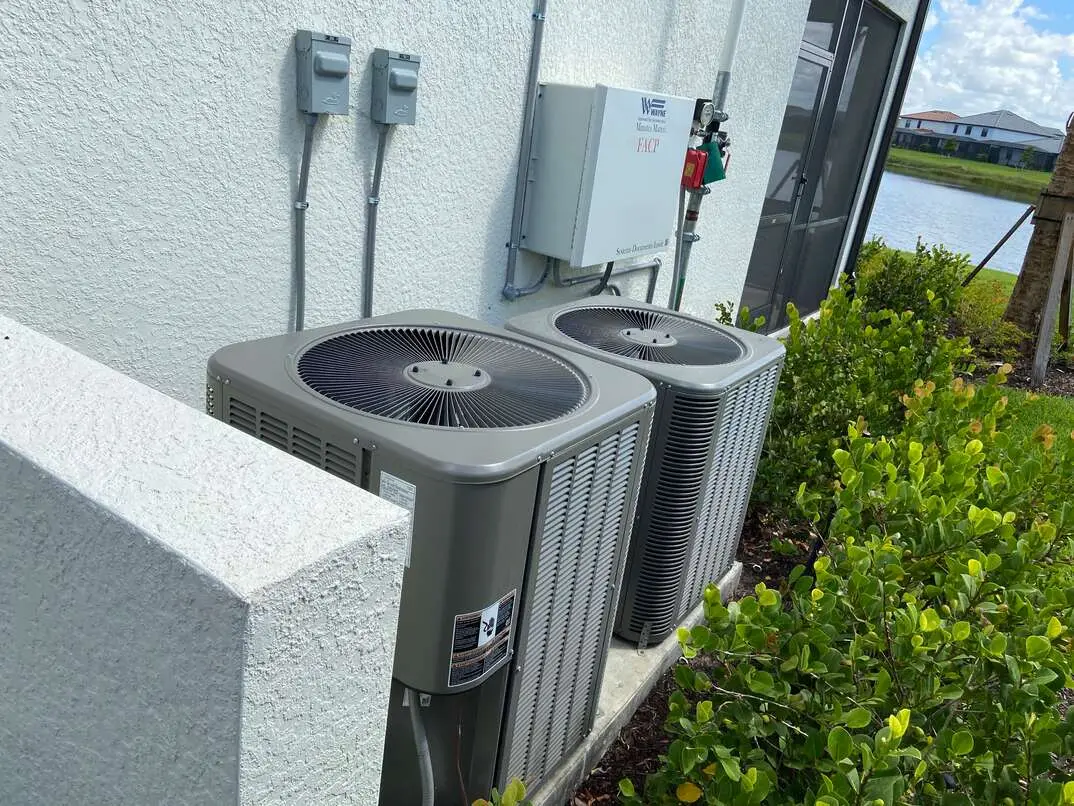
Outdoor AC Unit Running But Inside Air Is Hot? Here’s Why
May 21, 2026 By: One Way Heating & Cooling
It is one of the most frustrating scenarios a homeowner can face. The summer heat is blazing, your thermostat is set to a crisp 72 degrees, and you can clearly hear your outdoor air conditioning unit humming away in the yard. Yet, when you stand directly under an air vent inside, the breeze hitting your face feels like a hair dryer.
When your outdoor AC unit is running but the indoor air is hot, your cooling system is trapped in a dangerous paradox. It is consuming electricity and moving air, but it has completely lost its ability to transfer heat out of your home. Leaving an air conditioner running in this state can cause permanent, expensive damage to your compressor.
In this comprehensive troubleshooting guide, we will dive into the mechanical reasons behind this issue, highlight what you can safely check on your own, and explain when it is time to call in the professionals.
Why is my AC outdoor unit running but blowing warm air inside?
To understand why this happens, it helps to understand how your air conditioner works. Your AC does not actually "create" cold air; instead, it uses a vapor-compression cycle to absorb heat from your indoor air and dump it outside (Johnston et al., 2022). This cycle relies on a continuous balance of airflow, mechanical pressure, and chemical refrigerant fluid (Proctor Engineering Group, 2025).
If any part of this balance is broken, the outdoor unit will keep running blindly, but no cooling will take place inside. The most common culprit is a severe restriction of indoor airflow, which prevents the heat exchange process from starting. Another frequent cause is a failure within the refrigerant loop itself, meaning the medium used to carry the heat is either missing or trapped. Finally, simple electrical miscommunications between your thermostat and your indoor air handler can cause the two halves of your system to operate completely out of sync.
Could a dirty air filter cause my AC to blow hot air?
Yes, a heavily clogged air filter is one of the most common reasons an air conditioner stops cooling, despite the outdoor unit running continuously. Your system requires a massive, steady volume of air moving across the indoor evaporator coil to function correctly (Proctor Engineering Group, 2025). When a filter becomes choked with dust, pet dander, and debris, that vital airflow drops below critical levels.
Without enough warm indoor air passing over the freezing cold evaporator coil, the refrigerant inside the coil cannot absorb sufficient thermal energy. This lack of heat exchange causes the moisture in the air to instantly freeze on the surface of the coil. Before long, a thick block of ice completely encases your indoor coil, acting as an insulating barrier. The air handler fan will try to push air through this block of ice, but the air cannot absorb the cooling properties and arrives at your vents completely warm. If you suspect this is the case, turn your system off immediately to let the ice melt and prevent the compressor from overheating.
Is a low refrigerant level causing my indoor air to stay hot?
Another classic cause of this issue is a refrigerant leak. Refrigerant is the lifeblood of your cooling system. It continuously circulates between the indoor evaporator coil and the outdoor condenser coil, absorbing heat inside and releasing it outside (Abode Energy Management, 2022). Because an air conditioner is a sealed system, it should never "consume" or run low on refrigerant over time.
If your system is low on refrigerant, it means a leak has developed somewhere in the copper lines or coils. When the refrigerant charge drops, the system loses its pressure balance and its physical capacity to carry heat away (Proctor Engineering Group, 2025). The outdoor compressor will keep pumping, desperately trying to satisfy the thermostat, but there is not enough fluid to absorb the heat from your home. You might notice a faint hissing sound near the indoor or outdoor unit, or see ice building up along the brass refrigerant lines outside.
How do I know if my outdoor condenser coil is blocked?
Your outdoor unit houses the condenser coil and a powerful exhaust fan. The job of this outdoor coil is to shed the heat that was collected from inside your home and release it into the ambient outdoor air (Johnston et al., 2022). To do this efficiently, the outdoor unit needs plenty of open, unobstructed breathing room.
Over time, the metal fins of your outdoor unit can become clogged with grass clippings, leaves, dirt, dryer lint, and overgrown weeds. If the condenser coil is completely coated in grime or choked by vegetation, the heat stays trapped inside the refrigerant loop. The outdoor unit will continue to run, but because it cannot dump the heat outside, it cannot reset the cooling cycle to absorb more heat from inside your home. Take a look at your outdoor unit: if it looks heavily soiled or buried in landscaping, it is likely suffocating.
Could a faulty thermostat be causing the hot indoor air?
Sometimes, the mechanical components of your air conditioner are perfectly healthy, but the brain of the system is confused. Your thermostat uses low-voltage electrical wiring to send independent signals to your indoor air handler and your outdoor compressor. If these signals cross or fail, your system will exhibit highly erratic behavior.
For example, if the thermostat wire that controls the indoor cooling cycle is loose or damaged, it might signal the outdoor unit to kick on while leaving the indoor components unable to regulate temperature correctly. Alternatively, if your thermostat has a simple "Fan On" setting selected rather than "Fan Auto," the indoor fan will blow air continuously 24 hours a day. If your compressor cycles off normally, the fan will simply recirculate uncooled room air through your ducts, making it feel like the system is actively blowing hot air. Always double-check your thermostat settings first to rule out a simple configuration error.
What are the dangers of letting my AC run while blowing hot air?
It can be tempting to leave the air conditioner running in the hopes that it will eventually "catch up" or clear itself out. However, allowing an AC unit to run continuously while failing to cool your home is incredibly dangerous for the mechanical life of the equipment.
The outdoor compressor is the most expensive single component in your entire HVAC system. It relies on the cool, low-pressure refrigerant returning from the house to keep its internal motor cool during operation (Johnston et al., 2022). When the system runs without proper airflow or refrigerant pressure, the compressor will quickly overheat. Running a system in this state for even a few days can completely burn out the compressor motor or destroy its internal valves, turning a minor repair into an expensive, premature system replacement. If your home is hot and your vents are blowing warm air, turn the system off at the thermostat immediately.
When should I call One Way Heating and Cooling for repair?
While you can easily check your air filter and clear away external leaves from your outdoor unit on your own, most causes of this paradox require expert diagnostic tools. Handling chemical refrigerants, measuring electrical voltages, and cleaning delicate internal coils are tasks that should always be left to certified professionals.
If you have replaced your dirty air filter, verified your thermostat settings, given the system a few hours to thaw out, and it still blows hot air, it is time to call in the experts. At One Way Heating and Cooling, our team of highly skilled HVAC technicians has decades of experience diagnosing and repairing cooling systems in El Paso and the surrounding areas. We will pinpoint the exact failure point, safely test your refrigerant pressures, seal any hidden leaks, and restore crisp, reliable comfort to your home before any permanent damage occurs to your equipment.
Summary of Key Takeaways for Homeowners
Experiencing a broken air conditioner in the middle of a heatwave is incredibly stressful, but understanding the signs can save you thousands of dollars in emergency equipment replacements:
Turn it off immediately: If the outdoor unit runs but the air inside is warm, shut the system down at the thermostat to protect your compressor from overheating.
Check the basics first: Inspect your indoor air filter for heavy dirt and ensure your thermostat is set to "Cool" and the fan is set to "Auto."
Look for ice: Check the indoor coil or the outdoor brass lines for any signs of physical frost or ice accumulation.
Call the pros early: Refrigerant leaks, frozen components, and electrical failures require professional diagnostic equipment to fix permanently and safely.
Don't spend another uncomfortable minute trapped in a hot house while your utility bills skyrocket. Contact One Way Heating and Cooling today to schedule a comprehensive AC repair diagnostic and get your home's comfort back on track.
Frequently Asked Questions
How long does it take for a frozen AC coil to thaw out?
It typically takes anywhere from 2 to 24 hours for a frozen indoor evaporator coil to completely thaw out, depending on the thickness of the ice accumulation. To speed up the process safely, turn your thermostat to "Off" but flip your indoor fan switch to "On" to force warm air across the ice. Never attempt to scrape the ice off manually, as you can easily puncture the delicate copper refrigerant lines.
Can I hose down my outdoor AC unit to clean it?
Yes, you can safely wash away dirt, dust, and grass clippings from your outdoor condenser unit using a standard garden hose with moderate water pressure. Always turn off the power to the AC system at the outdoor disconnect box before cleaning. Avoid using a high-pressure power washer, as the intense pressure can easily bend and crush the delicate aluminum cooling fins, permanently restricting necessary airflow.
Why is my AC compressor running but the outdoor fan isn't spinning?
If you hear your outdoor unit humming but the top fan is stationary, you are likely dealing with a failed dual capacitor or a burned-out fan motor. The capacitor acts as a brief battery booster to kickstart the fan motor; when it fails, the compressor will try to run alone, but the system will quickly shut down due to extreme thermal overload. This is a purely electrical issue that requires professional replacement to avoid destroying the compressor.
What does a refrigerant leak sound or smell like?
A severe refrigerant leak will sometimes produce a distinct hissing or bubbling sound near the indoor evaporator coil or along the copper line set. Refrigerant itself is generally odorless, though it can sometimes carry a faint, sweet, or slightly chemical scent mixed with the system's internal compressor oil. If you notice these signs alongside a sudden drop in cooling capacity, turn the system off immediately.
How often should I change my home's air filter to prevent cooling issues?
In standard households, you should replace your indoor air filter every 60 to 90 days to maintain healthy airflow and protect your equipment. However, if you live in a dusty environment, have multiple pets, or suffer from severe allergies, you should inspect your filter every 30 days and replace it as soon as a gray layer of dust becomes visible.
References
Abode Energy Management. (2022). Air-source heat pumps (ASHP) - The technology. Massachusetts Clean Energy Center.
Johnston, J. D., Cowger, A. E., & Weber, K. S. (2022). Bioaerosol and microbial exposures from residential evaporative coolers and their potential health outcomes: A review. Indoor Air, 32(12).
Proctor Engineering Group. (2025). Sizing air conditioners properly: If bigger is better, why is my air conditioner not working right? ---
Publish Date: May 21, 2026. Note for future review: HVAC technology specifications and regulatory standards regarding specific chemical refrigerant types remain subject to ongoing environmental compliance updates and should be cross-referenced annually.