
HVAC Lifespan: How Long Will Your AC & Furnace Last?
December 11, 2025 By: One Way Heating & Cooling
TLDR: HVAC Lifespan & Key Factors
The average lifespan of your HVAC components is 15-20 years for AC and 15-30 years for a furnace. However, your system’s actual longevity depends entirely on these five factors:
Installation Quality is Critical: Systems must be properly sized (not too big or too small) to prevent "short cycling" and premature component wear.
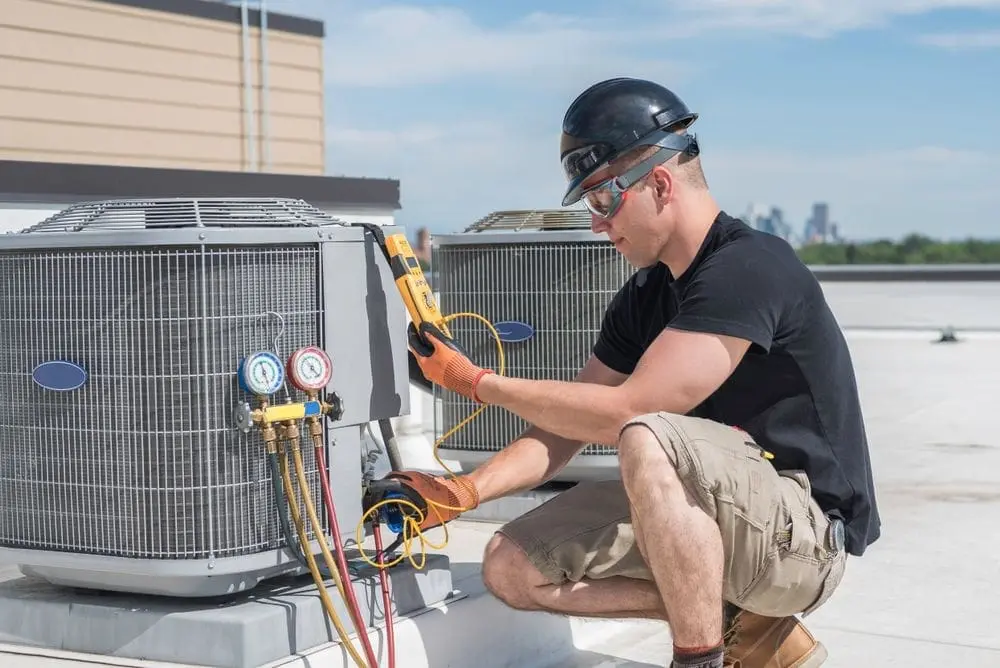
Maintenance Extends Life: Professional tune-ups twice a year (spring for AC, fall for heat) can add 5-10 years to your system's life and maintain its efficiency.
Climate Stress is Real: In hot climates like El Paso, AC units work harder and longer, accelerating wear and making maintenance even more critical.
Simple Care Matters: Homeowners must regularly change air filters (every 1-3 months) and ensure the outdoor unit has clear airflow.
When to Replace (The Rules): If a repair costs more than 50% of a new system, or if the age multiplied by the repair cost exceeds $5,000, it’s time to replace. Also, immediately replace older units that use the obsolete R-22 refrigerant if they develop a leak.
Action Item: Don't wait for a crisis. Contact One Way Heating and Cooling today to schedule your preventative maintenance and secure your system's longevity.
Why Understanding Your HVAC Lifespan is Important
Welcome to the ultimate guide from your trusted El Paso HVAC experts at One Way Heating and Cooling. If you own a home, your heating and cooling system is likely the single most expensive appliance you’ll ever purchase. It’s a major investment, responsible for keeping your family comfortable through the scorching Texas summers and the chilly winter nights.
So, it's natural to wonder: how long should this essential system actually last?
The truth is, there is no single, fixed answer. The lifespan of your HVAC system is highly variable. Think of it like a vehicle: a luxury SUV driven responsibly and maintained regularly will outlast one subjected to extreme conditions and skipped service appointments.
Understanding the average lifespan of your air conditioner, furnace, or heat pump isn't just a matter of curiosity. It’s essential for smart financial planning. Knowing when your system is likely to fail allows you to budget for a replacement and avoid a costly, stressful emergency breakdown when the El Paso heat is peaking at 100 degrees.
In this comprehensive guide, we'll break down the expected longevity for all major components, compare how different units stand up over time, and, most importantly, show you the five key factors you control right now that can add years, or subtract years, from your HVAC system’s working life.
What is the expected lifespan for different HVAC system types?
When we talk about the lifespan of an "HVAC system," we are usually talking about several distinct components, each with its own average expiration date. In El Paso, most homes rely on a combination of a cooling unit (like an air conditioner or refrigerated air conversion) and a heating unit (like a furnace). Because of our extreme temperature swings and high cooling demand, the AC unit often faces the toughest job.
Here is a breakdown of the generally accepted lifespan ranges across the industry, based on typical usage and good maintenance habits:
Primary System Lifespan Expectations
Central Air Conditioners (AC): Typically last 15 to 20 Years. They are used heavily in the Southwest; outdoor exposure and heat demand contribute to wear.
Gas Furnaces: Often last 15 to 30 Years. They generally outlast AC units, especially if well-maintained; the heat exchanger is the longest-lasting critical part.
Heat Pumps: Range from 10 to 16 Years. They have a shorter lifespan because they handle both heating and cooling year-round, resulting in more operational hours and greater component stress.
Boilers: Can last 20 to 35 Years. These are highly durable systems, often built with robust cast iron or stainless steel components.
Evaporative Coolers (Swamp Coolers): Range from 5 to 15 Years. Common in dry climates like ours, but often require intensive physical maintenance and can degrade faster due to mineral buildup and rust.
Geothermal Heat Pumps: The internal heat pump component lasts 25 to 30 Years, and the underground loops can last 50+ years.
As you can see, a gas furnace often outlasts its air conditioning counterpart. This means that if your home has separate units, you will likely replace your AC unit once or even twice before you need to replace the furnace. This makes sense in a high-demand cooling climate like ours.
It’s important to use these ranges only as a guideline. If your system is 12 years old and running perfectly, don't panic. If your system is 18 years old and starting to break down frequently, it's time to start planning for replacement. The next set of questions will help you determine where your specific unit falls within these ranges.
Why do some HVAC systems last 10 years, while others reach 25 or more?
The difference between a short-lived system and one that provides decades of reliable service usually comes down to five fundamental factors. These factors stack up, meaning a system with a poor initial installation that also receives zero maintenance may only make it to the 10-year mark, while a high-quality, professionally maintained system can easily hit 25 years or more.
Here are the five key factors that dictate your HVAC unit’s destiny:
1. Was the HVAC System Sized and Installed Correctly?
This is the foundational element of longevity, and sadly, it’s one that many homeowners overlook during installation. The lifespan of your unit is largely determined on day one.
The Sizing Factor: HVAC contractors must use industry protocols (like Manual J, S, and D calculations) to determine the exact heating and cooling load your home requires. This calculation is complex, considering square footage, window placement, insulation, and the climate zone.
- The Oversizing Problem: If a system is oversized (too powerful for the space), it will "short cycle." It rapidly cools or heats the home and then shuts off.
The Undersizing Problem: If a system is too small for your home, it runs continuously in an attempt to reach the set temperature, causing components to burn out faster due to non-stop, stressful operation.
The One Way Difference: Choosing a licensed, experienced local contractor like One Way Heating and Cooling ensures proper Manual J calculations and professional installation, giving your system the longest possible starting runway. Our El Paso technicians understand the specific demands of our local climate.
2. How Often is the System Professionally Maintained?
Maintenance is, without a doubt, the single most crucial factor in extending your HVAC lifespan. The industry consensus is clear: systems receiving routine, professional maintenance last significantly longer.
Annual Tune-Ups are Non-Negotiable: Heating and cooling experts recommend scheduling professional maintenance twice per year, once in the spring for the AC unit and once in the fall for the heating unit.
- What Maintenance Prevents: Professional tune-ups allow a technician to:
- Catch minor issues (like loose wiring, failing capacitors, or low refrigerant) before they cause a major, expensive breakdown, which can sometimes be avoided entirely.
- Ensure all moving parts are properly lubricated, dramatically reducing friction and component wear.
- Clean the condenser and evaporator coils, which is essential for maintaining high efficiency. Dirty coils force the unit to overwork, shortening its life.
- Verify correct refrigerant charge, as running low on refrigerant can cause the compressor (the heart of the unit, costing thousands to replace) to overheat and fail prematurely.
The Longevity Benefit: Systems that receive regular maintenance often last five to ten years longer than neglected systems, paying for themselves many times over in efficiency and avoided repair costs.
3. What Are the Local Climate Conditions and Usage Patterns?
Your geographical location plays a huge role in how hard your equipment has to work, thus impacting its longevity.
Usage Load: In El Paso, we experience incredibly hot and lengthy summers. This means our AC systems run for many more hours per year compared to systems in moderate climates. Increased operational hours directly translate to increased wear and tear on the compressor and motors.
- Environmental Strain: The outdoor condenser unit is constantly exposed to harsh conditions:
- High dust and dirt accumulation (a common issue in the Southwest) requires more frequent coil cleaning to prevent strain.
- Extreme heat, which places thermal stress on the electronic components.
- The environment makes the unit work harder, stressing the entire system.
Because our climate is demanding, maintenance becomes even more critical for El Paso homeowners. You must actively fight the elements to keep your system healthy and functional for the long haul.
4. What is the Quality and Brand of Your Equipment?
While all systems are regulated by federal efficiency standards, not all equipment is created equal in terms of durability and component quality.
Material Quality: Premium HVAC systems from established, trusted brands often use higher-grade metals, more robust compressors, and superior electronic components. This upfront investment generally translates into greater reliability and a longer operational life, often adding 5-7 years compared to lower-cost, budget alternatives. Quality systems are designed to better handle the heavy operational loads found in high-demand areas like ours.
Efficiency Matters: Upgrading to a modern, high-efficiency system (with a higher SEER rating for AC and AFUE for furnaces) means the unit doesn't have to cycle as frequently and consumes less power to maintain your comfort. This reduction in operational stress and energy spikes directly contributes to a longer component lifespan.
5. Is the Homeowner Diligent About Simple Tasks?
Even between professional visits, your actions heavily influence your unit's longevity. These easy, low-cost tasks are essential supplements to professional care:
Filter Discipline: A dirty air filter restricts airflow, forcing the blower motor and the entire system to work harder. This accelerated stress can shave years off the unit’s lifespan and immediately increases your energy bills. Filters should be checked monthly and replaced every 1 to 3 months.
Outdoor Clearing: Ensure the outdoor condenser unit has at least two feet of clearance around all sides. Blocked airflow causes the unit to overheat and struggle to dissipate heat, leading to premature compressor failure.
Thermostat Use: Using the "Auto" fan setting instead of "On" reduces unnecessary fan operation. Additionally, programming a smart thermostat to slightly higher setpoints when the home is empty reduces overall run time and system wear.
When should you stop repairing and commit to replacement?
As your HVAC unit approaches the 15-year mark, you will inevitably face the tough decision: is this repair worth the cost, or is it time for a new system? Repairing an old system offers temporary relief but can lead to a cycle of expensive, recurring fixes. Replacement is a high upfront cost but offers long-term financial benefits.
Industry experts use several key financial and diagnostic rules to help homeowners make this crucial decision.
The Age Threshold
10 Years Old (For AC/Heat Pumps): Once your cooling or heating/cooling unit passes this age, you should begin tracking repairs closely. If a major component fails, replacement becomes highly probable due to parts obsolescence and declining efficiency.
15 Years Old (For Furnaces and Complete Systems): By this point, most systems are nearing the end of their manufactured service life. Even if repaired, they are likely suffering from significant efficiency degradation (up to 40% loss) that is costing you money every month in utility bills.
The $5,000 Rule (Repair Cost vs. Age)
This is a simple yet effective rule of thumb used across the industry to determine financial viability:
Formula: (Age of Unit) x (Cost of Repair) = Replacement Indicator
- If the resulting number is less than $5,000, a repair is likely the more cost-effective choice.
- Example: A 12-year-old AC needs a $300 repair. (12 x $300 = $3,600).
- If the resulting number is more than $5,000, you should seriously consider replacement. The accumulated cost of that repair on an aging system often justifies the investment in a new, efficient unit.
- Example: A 10-year-old AC needs a $600 repair. (10 x $600 = $6,000).
The 50% Rule (Cost of Repair vs. Replacement)
Another guiding principle suggests that if a major repair costs 50% or more of the price of a brand-new system, it is financially wiser to allocate that money toward the replacement. This ensures you are investing in a system with a full warranty and a new, long lifespan, rather than simply putting a band-aid on an outdated unit. Continuously pouring large amounts of money into an old, inefficient machine rarely results in long-term savings.
The Refrigerant Crisis (R-22 Phase-Out)
If your system was installed before 2010, it likely uses R-22 refrigerant (often called Freon®). The production and importation of R-22 have been completely phased out by the EPA (as of 2020) due to its harmful environmental impact.
The Impact: R-22 is now extremely difficult to find and often costs exponentially more than modern refrigerants. If your aging R-22 system develops a significant leak, the cost to repair the leak and refill the refrigerant can be prohibitive, frequently justifying immediate replacement with a modern, environmentally friendly R-410A system.
Conclusion: Plan, Maintain, and Partner with an Expert
Your HVAC system’s longevity isn’t a matter of chance; it’s a direct result of informed decisions and consistent care. While the average lifespan of an AC unit is 15-20 years and a furnace is 15-30 years, where your unit falls in that range is entirely determined by maintenance, installation quality, and usage patterns.
Don't wait until you're facing a $2,000 emergency repair on a 16-year-old system to figure out your next move. By understanding the factors that cause wear and tear, especially in the demanding climate of El Paso, you can become a proactive, informed homeowner.
Key Takeaways for Maximum Lifespan:
Stop Guessing: Know the age of your system and monitor its repair frequency to anticipate replacement needs.
Filter First: Never neglect your monthly air filter replacement schedule. It is the cheapest insurance you can buy for your system.
Invest in Protection: Schedule a professional tune-up every spring and fall. This is the single best investment you can make in your system's long-term health and efficiency.
Know the Rules: Use the $5,000 Rule and the 50% Rule to guide your decision when faced with a major repair.
Whether you need a full professional tune-up, an honest assessment of your aging unit, or financing options for a high-efficiency replacement, One Way Heating and Cooling is here to help El Paso homeowners maximize comfort and efficiency. As licensed, bonded, and local experts, we offer the quality service and strong warranties needed to keep your unit running reliably for years to come.
Contact One Way Heating and Cooling today to schedule your preventative maintenance tune-up and extend the life of your system!
Frequently Asked Questions (FAQ)
1. Does system size affect how long my HVAC unit will last?
Yes, absolutely. System size is one of the most critical factors influencing lifespan. If an HVAC system is too large (oversized) for the home, it will turn on and off frequently, a process known as "short cycling." This places extreme strain on the compressor and fan motors, leading to accelerated wear and premature failure. If a system is too small (undersized), it runs non-stop in an effort to meet the thermostat setting, also burning out components faster due to constant, stressful operation. A licensed contractor must perform a proper load calculation (Manual J) during installation to ensure the system is perfectly matched to the home's needs and climate.
2. Is it always better to replace my HVAC system when it uses R-22 refrigerant?
In almost all cases, yes, replacement is the smarter long-term decision. R-22 (Freon®) is an ozone-depleting refrigerant that has been fully phased out by the U.S. Environmental Protection Agency (EPA) since 2020. This means the supply of R-22 is now severely limited, making it extremely expensive and difficult to find. If your R-22 system develops a leak or requires a major repair involving the refrigerant, the cost of the fix and refill can often equal a significant percentage of a new system's cost. Replacing the unit allows you to switch to the modern, environmentally friendly R-410A refrigerant and benefit from a new warranty and far higher energy efficiency standards.
3. How much efficiency does an HVAC system lose as it ages?
The efficiency of an HVAC system begins to degrade noticeably once it passes the 10-to-15-year mark, even with regular maintenance. Industry estimates suggest that a system approaching two decades of service may lose anywhere from 25% to 40% of its original efficiency compared to a modern, high-SEER unit. This means the system must run longer and harder to achieve the desired temperature, leading directly to significantly higher monthly energy bills. The long-term savings on energy from installing a new, high-efficiency model can often help offset the initial replacement cost.
4. What is the single most effective maintenance task a homeowner can perform?
The single most effective task a homeowner can perform is the regular replacement of the air filter. A dirty or clogged air filter severely restricts airflow into the system, forcing the blower motor to work harder, which consumes more energy and places undue strain on internal components. You should inspect your 1-inch filters monthly and replace them every 30 to 90 days, depending on the filter type and household factors like pets. This simple, inexpensive action ensures proper airflow, maintains efficiency, and significantly reduces the wear and tear on the system's most expensive components.
5. Does the furnace or the air conditioner usually fail first in a dual system?
In a region with high cooling demand like El Paso, the air conditioning unit typically fails before the gas furnace. This is because the AC's main components, the compressor and the condenser coil, are located outside where they are constantly exposed to the elements, dust, extreme heat, and heavy use during long summers. Conversely, a gas furnace is usually located indoors (in a garage or utility closet), where it is protected, and it only operates seasonally. While a furnace can last 20-30 years with care, AC units often need replacement around the 15-20 year mark due to the high stress of continuous summer operation.